
Zinc Oxide in Tire Manufacturing: Preventing Blowouts
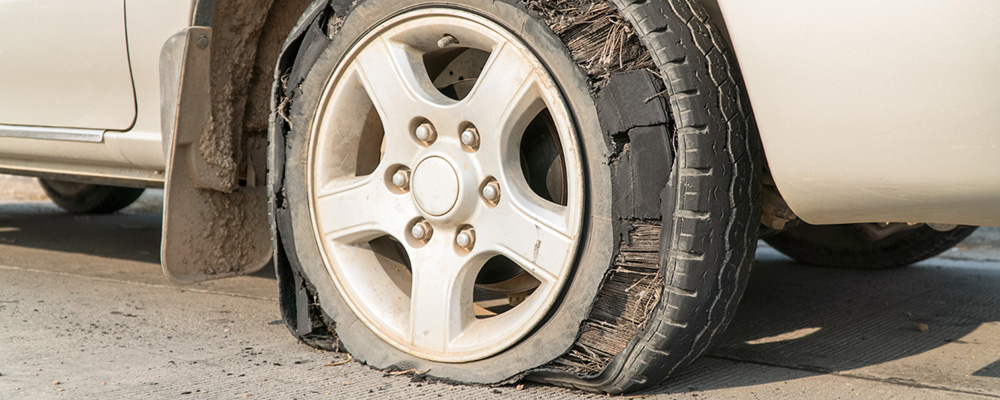
Imagine driving down a sun-baked highway at 70 mph. Beneath your vehicle, your tires are performing a high-stakes balancing act of chemistry and physics. While we often worry about nails or glass, the silent enemy of road safety is internal heat. Fortunately, the secret to staying safe lies in the complex world of tire manufacturing, specifically in a versatile mineral: zinc oxide (ZnO).
The “Heat Shield” Effect
High-speed driving generates massive amounts of kinetic energy, much of which is converted into heat within the rubber. If this heat stays trapped in the tire’s core, the rubber can begin to degrade, leading to structural failure (or a blowout). Zinc oxide is the “hidden hero” here because of its high thermal conductivity. In the heart of tire manufacturing, ZnO is added to the compound to act as a thermal bridge, pulling heat away from the tire’s interior and dissipating it through the sidewalls.
Beyond managing temperature, zinc oxide is essential for the chemical “curing” of the rubber, known as vulcanization. During this specialized process, ZnO acts as an activator that helps sulfur create strong, flexible bridges between polymer chains. This molecular web is what gives the tire its structural memory, allowing it to deform under pressure and snap back into shape instantly. Without a precise dose of ZnO, the rubber would remain too soft to handle the weight of a modern vehicle.
The 2026 Electric Vehicle Shift
The role of advanced tire manufacturing has become even more critical with the rise of Electric Vehicles (EVs). Because EVs carry heavy battery packs, their tires face significantly higher vertical loads and increased friction. This extra weight generates even more heat than traditional cars. By optimizing the use of specialized zinc oxide, engineers can ensure that EV tires remain cool and stable, even under the extra stress of a heavy chassis.
Conclusion
Efficiency is the hallmark of the current manufacturing cycle. Today, researchers are moving toward “active” zinc oxides with higher surface areas. This allows factories to use less raw material while achieving a more uniform cure. This shift not only improves the safety and longevity of the tire but also aligns with the global push for more sustainable industrial practices.
Ultimately, the safety standards for tire manufacturing continue to climb. Whether you are driving a lightweight commuter car or a heavy-duty electric SUV, the presence of zinc oxide ensures that your tires can handle the heat. By mastering the chemistry of this essential mineral, the evolution of tire manufacturing is making high-speed blowouts a thing of the past, one mile at a time.
If you have further questions, don’t hesitate to call us at +62343657777 or send us an email at info@citracakralogam.com. Our team will guide you through the whole process. If you have any more questions about us, feel free to ask anytime because we are here 24/7 for you.


