Mastering the Modern Ceramic Opacifier with Zinc Oxide
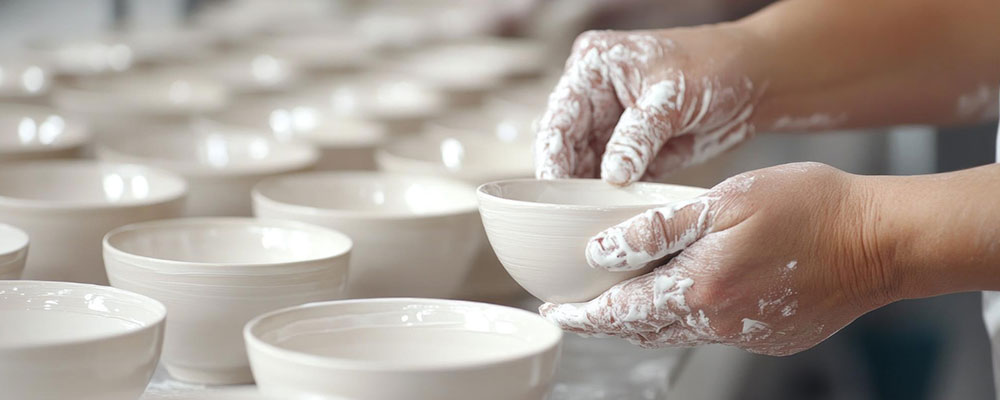
When you hold a piece of high-end porcelain or run your hand over a flawlessly glazed tile, you are experiencing the results of high-precision chemistry. To achieve that deep, milky-white finish, designers rely on a ceramic opacifier. While many are familiar with zircon-based additives, the true “expert level” of glaze mastery involves the strategic use of zinc oxide (ZnO) within high-alumina formulas.
The Spinel Secret
In a high-alumina environment, zinc oxide does more than just sit on the surface. During the firing process, ZnO reacts with alumina (Al2O3) to form zinc aluminate crystals, also known as gahnite. These microscopic structures create a dense matrix that scatters light with incredible efficiency. Because this additive increases the refractive index of the glaze, it produces a brilliance and “hiding power” that is far superior to standard mixtures.
One of the primary challenges in ceramic engineering is balancing the melting point with the desired finish. Zinc oxide is unique because it acts as a powerful flux while simultaneously functioning as a secondary ceramic opacifier. This dual role allows manufacturers to lower firing temperatures (saving energy) without sacrificing the opaque, satin-like quality of the final product.
Refining the Surface
High-alumina glazes can sometimes be prone to a rough or “pinholed” texture if the chemistry isn’t perfectly tuned. By optimizing the concentration of zinc, manufacturers ensure a more uniform distribution of it across the ceramic body. This creates a smoother tension during the cooling phase, resulting in a sophisticated “quiet luxury” aesthetic that is free from surface defects.
As we move further into 2026, the industry focus has shifted toward reducing the environmental footprint of raw materials. A versatile ceramic opacifier that utilizes zinc oxide allows for thinner glaze applications while maintaining total opacity. This reduction in material usage aligns with global sustainability goals without compromising the durability or chemical resistance of the ware.
Conclusion
Mastering the interaction between alumina and zinc is the final frontier for those seeking aesthetic perfection in industrial or artisanal ceramics. Whether you are producing sanitaryware or fine china, a well-calibrated ceramic opacifier is the foundation of a premium finish. By understanding these molecular relationships, you can elevate your ceramic opacifier strategy to achieve world-class results.
If you have further questions, don’t hesitate to call us at +62343657777 or send us an email at info@citracakralogam.com. Our team will guide you through the whole process. If you have any more questions about us, feel free to ask anytime because we are here 24/7 for you.